
How to Buy Used Motorcycle Parts Safely Online
Buying used motorcycle parts online has become one of the most practical and cost effective ways for riders to maintain, repair, or upgrade their bikes. With OEM component prices continuing to rise and supply chain delays affecting new parts, the second hand market offers a valuable alternative. You can explore available stock directly through the used motorcycle parts catalogue to compare options before purchasing. However, while the savings can be significant, knowing how to purchase safely is essential to avoid compatibility issues, poor quality components, or unnecessary returns.
This guide explores how riders can confidently source reliable used motorcycle parts online while protecting both their bike and their budget.
Understanding the Used Motorcycle Parts Market
Used motorcycle parts typically originate from dismantled bikes that have been written off due to accidents, cosmetic damage, insurance claims, or age related wear. Importantly, write offs rarely mean every component is unusable. In many cases, large portions of the motorcycle remain in full working condition.
Professional motorcycle breakers recover, dismantle, and catalogue these bikes methodically. Parts are removed, inspected, cleaned, photographed, and logged into inventory systems before resale. This recycling approach aligns with sustainability initiatives supported by organisations such as the UK vehicle recycling framework.
Understanding this lifecycle is key to buyer confidence. A used part is not simply “old”, it is often a genuine OEM component that has been quality checked and resold at a reduced price.
Start by Checking Seller Credibility
One of the most important safety steps when buying used motorcycle parts online is verifying who you are buying from. The credibility of the seller directly impacts the quality, accuracy, and reliability of the part you receive.
A reputable motorcycle parts supplier should provide detailed product listings that include accurate descriptions, multiple images, compatibility data, and condition notes. Transparency is a strong trust signal. If a listing is vague or missing key details, it raises risk.
Customer reviews also provide valuable insight. Google reviews, Trustpilot ratings, and motorcycle forum mentions can all help validate a breaker’s reputation. Established sellers will have a track record of secure packaging, accurate listings, and responsive customer service.
Buying from a trusted specialist dramatically reduces the likelihood of receiving damaged or incompatible parts.
Confirm Compatibility Before Purchasing
Compatibility is one of the most common pitfalls in used motorcycle part purchases. Unlike universal accessories, most structural and mechanical components are make, model, and year specific.
Even within the same bike range, subtle design changes can affect fitment. Mounting brackets, wiring connectors, and bolt placements may differ between production years.
Before purchasing, always confirm:
- Exact make and model
- Production year
- Engine size or variant
- OEM part number where possible
Cross‑referencing part numbers is one of the most reliable compatibility checks available. If the numbers match, the fitment is almost always correct.
If uncertainty remains, contacting the seller is recommended. Experienced breakers can quickly confirm whether a part will fit your specific motorcycle.
Inspect Images Thoroughly
When buying online, images become your primary inspection tool. High quality sellers provide multiple angles so buyers can assess real world condition.
Carefully reviewing photos allows you to identify cosmetic and structural issues such as scratches, dents, corrosion, or cracked mounting points. Zooming in can reveal details that may not be mentioned in the written description.
For electrical components, inspect wiring condition and connector integrity. For painted panels, look for colour fade or respray differences. For mechanical parts, watch for signs of excessive wear.
If listings contain limited imagery, requesting additional photos is always worthwhile. Reputable sellers are usually happy to provide them.
Understanding Condition Grading
Many used motorcycle parts are categorised using condition grading systems. These help buyers set realistic expectations around cosmetic appearance and functionality.
For example, an “A grade” fairing may have minimal marks and excellent paintwork, whereas a “B grade” panel may contain light scratches or small scuffs. Lower grades may still be structurally sound but visually imperfect.
This grading allows buyers to balance cost against appearance. Riders restoring show bikes may prefer higher grades, while commuters may prioritise function over cosmetics.
Understanding grading terminology ensures there are no surprises on delivery.
Pricing: What’s Too Cheap?
Used motorcycle parts should be cheaper than new OEM components, but pricing still reflects condition, rarity, and demand.
For example, common parts like mirrors or indicators may be inexpensive, while engines, ECUs, or rare fairings command higher resale values.
If a price appears dramatically lower than market averages, it is worth investigating why. Extremely cheap parts may have hidden faults, missing components, or structural damage not immediately visible.
Comparing multiple listings helps establish a realistic price benchmark before purchasing.
Delivery, Packaging, and Returns
Shipping protection is another key safety consideration. Motorcycle parts, particularly fragile or heavy ones, require secure packaging to prevent transit damage.
Reliable sellers use reinforced boxes, protective padding, and insured couriers. Always review delivery terms before ordering.
Equally important is the returns policy. Mistakes can happen, even with careful compatibility checks. A fair returns window allows buyers to resolve fitment issues without financial loss.
Some sellers also offer short warranties on mechanical components, providing additional reassurance.
Safety Critical Components
Extra caution should be taken when purchasing parts that directly affect rider safety.
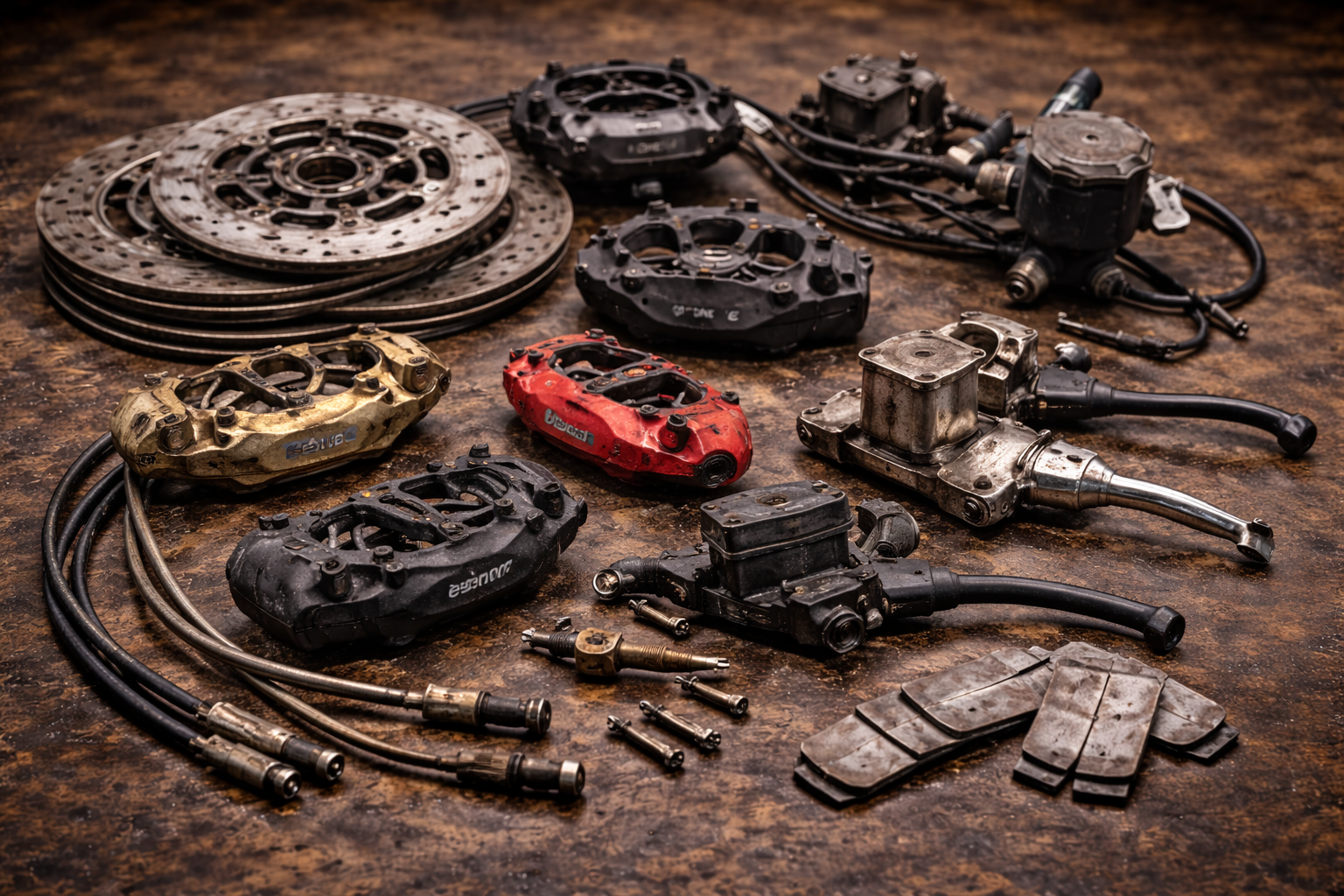
Brake systems, suspension components, frames, and steering assemblies must be structurally sound and fully functional. These items should only be purchased from reputable breakers who test and verify integrity.
When in doubt, professional inspection before installation is advisable.
Environmental Benefits of Buying Used
Beyond financial savings, buying used motorcycle parts supports sustainability. Reusing functional components reduces landfill waste and lowers manufacturing demand.
For environmentally conscious riders, this circular economy approach adds further value to second hand purchasing.
Buying used motorcycle parts online is not only safe but highly practical when approached correctly. By verifying seller credibility, confirming compatibility, inspecting imagery, and understanding condition grading, riders can source dependable components with confidence.
With the right purchasing strategy, used parts provide an affordable, sustainable, and reliable solution for maintaining motorcycles of all ages, from daily commuters to restoration projects.